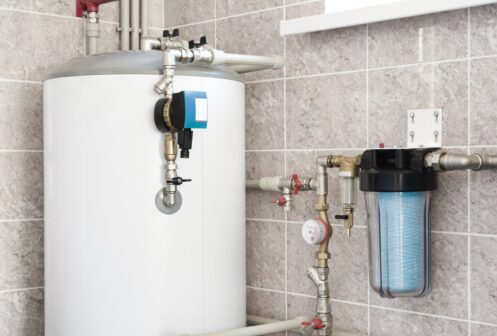
Boilers play a crucial role in keeping your home or business cozy during those cold months. When everything’s running smoothly, you hardly give them a second thought; you just bask in the warmth. But as soon as your boiler starts to misbehave, it becomes impossible to ignore. For many folks in Anoka, MN, and nearby areas, a sudden drop in heat can be both stressful and disruptive. Here’s a look at some of the boiler troubles we frequently encounter and what they could mean for you.
1. No Heat or Hot Water
There’s nothing quite as frustrating as cranking up the thermostat only to find out there’s no heat. This can happen for many reasons, like a faulty diaphragm, trapped air, a malfunctioning thermostat, or even low water levels.
When this situation arises, it can really throw a wrench in your daily routine. For businesses, it might lead to unhappy customers or employees shivering at their desks, and for homeowners, it turns the whole house into an uncomfortable space. Since so many parts work together in a boiler, pinpointing the exact issue can be tricky without a professional’s help. The best course of action is to have an expert check the thermostat, water levels, and internal valves to get things back to cozy in no time.
2. Leaking or Dripping
Water pooling around your boiler is never a good sign. Leaks can come from:
- A damaged internal part, like a pump seal
- Excessive pressure in the system
- Corrosion around the pipes or tank
Ignoring even a tiny leak can lead to much bigger issues down the line. Water damage has a way of creeping into floors, walls, and nearby equipment, especially in commercial spaces where boilers are often tucked away in basements or mechanical rooms. Over time, these leaks can take a toll on the system’s efficiency and may even cut its lifespan short. The longer you put off addressing the problem, the more likely you are to end up with not just boiler repairs but also costly damage to your property.
3. Strange Noises
Boilers are typically quiet when they’re running smoothly, and you should only hear the soft sounds of the heating cycle. However, if you start to hear banging, whistling, gurgling, or grinding noises, it usually means that something isn’t quite right inside.
Common culprits for these noises include trapped air, low water pressure, or kettling caused by limescale buildup in the heat exchanger. While these sounds might seem like a minor annoyance at first, they can often indicate issues that could worsen over time. In commercial settings, loud boiler noises can interrupt daily activities, and in homes, they can lead to stress and sleepless nights. Tackling the root cause early on can help prevent more serious mechanical problems down the line.
4. Low Boiler Pressure
For a boiler to function properly, it must maintain the right pressure level. If your pressure gauge is reading below one, your system isn’t operating as it should.
Low pressure can lead to uneven heating in your radiators, poor circulation throughout the system, or even frequent shutdowns. Some common culprits for this issue include water leaks, recently bled radiators, or problems with the expansion vessel. Don’t overlook pressure issues; running at low pressure for extended periods can put extra stress on the boiler, resulting in decreased efficiency and early wear and tear. Homeowners can easily perform a quick pressure check, but fixing the underlying problem usually requires a trained professional.
5. Frozen Condensate Pipe
When winter arrives, the condensate pipe that carries wastewater from your boiler to the outside drain can easily freeze up. This blockage can shut your system down, leaving you shivering in the cold. It’s a common nuisance, especially during those bitterly cold winters in Minnesota.
If your boiler stops working when temperatures drop, a frozen condensate pipe is one of the first culprits to consider. Insulating the pipe or rerouting it indoors can help you avoid these issues in the future. Businesses with boilers located in poorly insulated areas are especially at risk, and a heating outage can affect not just comfort but also productivity.
6. Boiler Keeps Switching Off
If your boiler keeps shutting off unexpectedly, something clearly isn’t right. Common culprits include:
- Low water pressure
- Blocked pipes or valves
- A faulty thermostat
When a boiler switches off, it interrupts both comfort and efficiency. Frequent shutdowns can also signal deeper issues with sensors or safety systems. In homes, this can mean waking up to a cold house, while in businesses, it could mean reduced operating hours or temporary closures. Because boilers shut themselves down as a protective measure, the root cause should always be investigated before restarting.
7. Pilot Light Going Out
Older boilers often rely on a pilot light to kick off the heating cycle. If that tiny flame keeps going out, your boiler won’t ignite like it should. There could be a few reasons for this, such as drafts sneaking in, a faulty thermocouple, or even some debris buildup. While many modern systems have switched to electronic ignition instead of pilot lights, a good number of older boilers still depend on them.
If your pilot light keeps blowing out, it might signal bigger problems or just that your system is nearing the end of its life. For businesses, frequent outages can disrupt operations during busy times, and homeowners might find themselves shivering through several chilly nights without reliable heat.
8. Thermostat Issues
If your thermostat is old or malfunctioning, your boiler might not react the way you want it to when you adjust the temperature. You might notice it turning on and off at strange times, or it could have trouble keeping a steady temperature.
Since the thermostat is like the “brain” of your heating system, any issues here can lead to wasted energy and higher bills. For businesses, a faulty thermostat can create uneven heating in large areas, which not only makes things uncomfortable but also drives up operating costs. For homeowners, this can result in soaring bills and the annoyance of rooms that fluctuate between being too hot and too cold.
9. Kettling
Kettling happens when limescale or sludge accumulates in your boiler’s heat exchanger. This buildup can block water flow, leading to overheating and producing a sound that’s quite similar to a kettle boiling. It’s a problem that often arises in areas with hard water. If you don’t address it, kettling can lower your boiler’s efficiency, hike up your energy bills, and even shorten the lifespan of the unit. For businesses, this could mean higher operating costs, while homeowners might face discomfort and potential long-term damage to their systems. To help prevent kettling, regular maintenance like descaling is key.
10. Sludge or Debris Buildup
Over time, your system can accumulate sludge, rust, and debris. This buildup can affect efficiency, lead to uneven heating, and even clog pipes or damage internal components.
A professional power flush is usually the best way to tackle this issue, as it effectively removes all that gunk and gets your circulation back on track. Not only does this enhance your comfort, but it also helps prolong the life of your system. For businesses, it means reliable heating across large areas, while homeowners benefit from more consistent warmth and reduced energy bills. Keeping an eye out for signs of buildup can save you a fortune in repairs down the line.
Liberty Comfort Systems is proud to serve residents and businesses in Anoka, MN and the surrounding areas. Whether you’re facing a sudden breakdown, strange sounds, or heating that just isn’t quite right, our experienced team is ready to provide dependable boiler repair and maintenance services.
Don’t let small problems turn into big headaches. Reach out to Liberty Comfort Systems today to schedule a heating service appointment!
