
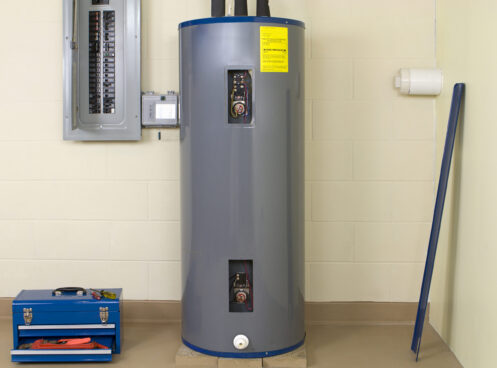
When Minnesota winter ends, most homeowners focus on cooling systems and outdoor work. Your water heater often gets overlooked during this seasonal shift. However, your system has just handled months of heavy winter demand. Summer brings different usage patterns that can still strain your equipment.
If you want reliable hot water, you need to prepare your system for the next season. A few simple steps can improve performance and help prevent unexpected problems. Maintenance can also extend the life of your water heater.
Why Your Water Heater Needs Attention After Winter
Your water heater works harder during the winter months. Cold groundwater requires more energy to heat, increasing the system’s workload. Daily habits, such as longer showers, also raise demand.
That added strain can lead to wear on internal parts. Heating elements, burners, and thermostats may not perform as efficiently after winter use. Even if the system still works, performance may decline.
Sediment buildup also becomes a concern after heavy use. Minerals settle at the bottom of the tank over time. That buildup creates a barrier between the heat source and the water.
When sediment collects, your system must work harder to heat water. That reduces efficiency and can lead to uneven temperatures. Addressing these issues in the spring helps your system run more smoothly during the summer.
Why Summer Still Brings High Demand
Water heater demand doesn’t disappear when temperatures rise. Summer often brings changes that increase daily usage. These changes can catch homeowners off guard.
More frequent showers are one of the biggest factors. Warmer weather and outdoor activities lead to higher water use. Families also tend to spend more time at home during the summer months.
Guests can also increase demand. Visiting family members adds to daily water use for showers, laundry, and dishes. Even short visits can put extra strain on your system.
Outdoor activities also play a role. Gardening, sports, and yard work often require cleanup afterward. That added use means your water heater still needs to perform consistently.
Summer schedules can also become less predictable. Kids may be home during the day, and weekend activities can increase laundry and dishwashing. A system that barely kept up in spring may struggle more once summer routines are fully underway.
Tip 1: Flush the Tank To Remove Sediment
Flushing your water heater removes sediment that builds up over time. That buildup reduces efficiency and can damage the tank if left untreated.
When you flush the tank, you remove minerals that settled during winter use. That improves heat transfer and helps your system operate more efficiently.
You may also notice quieter operation after a flush. Sediment often causes popping or rumbling sounds inside the tank. Removing debris helps reduce those noises.
Skipping this step allows the buildup to increase over time. That can shorten your system’s lifespan and reduce performance. A spring flush helps prepare your system for continued use.
Tip 2: Check and Adjust the Thermostat
Your thermostat controls the temperature of your hot water. Settings that worked in winter may not be ideal for summer conditions.
Setting the temperature around 120 degrees Fahrenheit works well for most homes. This level provides comfort while reducing energy use. Warmer incoming water during summer often makes higher settings unnecessary.
Checking the thermostat also helps confirm proper operation. Inconsistent temperatures may indicate a faulty control. Addressing that issue early can prevent larger problems later.
Tip 3: Inspect for Leaks and Corrosion
A visual inspection can reveal early signs of trouble. Look around the base of the tank and near connections for moisture or rust.
Small leaks often develop after months of heavy use. Corrosion on fittings may also indicate aging components. These issues can worsen if left unaddressed.
Early detection allows you to schedule water heater repair before problems escalate. Taking action now helps prevent unexpected system failure.
Tip 4: Test the Pressure Relief Valve
The pressure relief valve protects your water heater from excess pressure. That protection helps prevent damage and keeps your system operating safely.
Testing the valve ensures it opens when needed. If the valve doesn’t release pressure, you may need to replace it. A faulty valve can create a serious safety risk.
Regular testing helps confirm that this safety feature works properly. Maintaining safe operation should always be a priority.
Tip 5: Insulate Pipes and Tank if Needed
Insulation helps maintain water temperature as it moves through your system. Even during summer, insulation can improve efficiency.
Wrapping exposed hot water pipes reduces heat loss. That helps deliver hot water to your fixtures more quickly. Faster delivery also reduces wasted water.
Older tanks may also benefit from added insulation. Newer systems often include built-in insulation, but older units may lose heat more easily. Improving insulation supports better efficiency.
Tip 6: Prepare for Increased Usage
Planning for higher demand helps prevent frustration. If you expect guests or more activity, your system will need to handle extra load.
Simple changes can help manage demand. Spacing out showers and laundry reduces strain on your system. These habits help maintain a consistent supply of hot water.
If your system already struggles, summer may increase that problem. Addressing performance issues early helps prevent daily inconvenience.
Tip 7: Consider Maintenance for Tankless Systems
Tankless water heaters require maintenance, even though they operate differently. Mineral buildup can still form inside the system.
Scale buildup affects the heat exchanger and reduces efficiency. Descaling removes those deposits and helps maintain performance.
This process is especially important in areas with hard water. Regular service helps your tankless system handle higher demand without temperature changes.
Tip 8: Schedule a Professional Inspection
Professional service provides a deeper evaluation of your system. We can inspect internal components and test overall performance.
Our team checks heating elements, thermostats, and system operation. We look for early signs of wear that may not be obvious.
Scheduling an inspection before summer helps prevent unexpected breakdowns. A professional inspection ensures your system is ready for increased use.
A professional inspection can also help you understand whether your current system still fits your household. If demand has changed over time, we can explain your options before hot water shortages become a regular problem.
Keep Your Water Heater Ready for Summer
Preparing your water heater for summer helps improve efficiency and reliability. Seasonal maintenance helps your system handle changing demand without problems.
At Liberty Comfort Systems, we help homeowners in Anoka maintain dependable hot water systems. Our team provides expert service and clear recommendations based on your needs.
Contact Liberty Comfort Systems today to schedule your water heater service and stay prepared for the season.
