
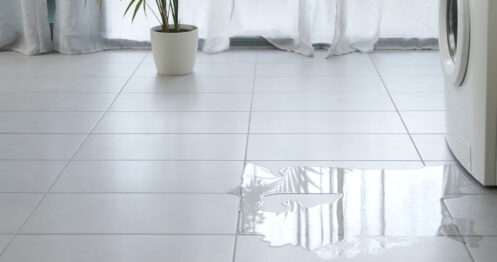
Clothes tumbling in a washer shouldn’t lead to a flooded laundry room, yet a clogged drain can bring that scenario to life. Over time, lint, fabric fibers, soap scum, and small debris can accumulate where your washer empties, creating backups and slow drains. Running cycles on empty won’t clear that obstruction; only a targeted approach will. At Liberty Comfort Systems, in Anoka, MN, we’ve helped countless homeowners restore smooth laundry flow with proper drain care and expert troubleshooting.
How Your Washing Machine’s Drain Actually Works
Your laundry drain allows water to leave your machine. Inside your washer, a pump forces used water through a hose into a standpipe, a vertical pipe designed to prevent backflow. From there, water joins your home’s waste line. That simple path can become complicated where the standpipe meets the trap beneath your sink or floor. In many laundry setups, the trap holds a small bit of water to block sewer gas but also catches lint and suds. When lint builds up, water pools behind it and flows more slowly.
Over time, that trapped debris cements in place, forcing the pump to work against increasing resistance. You might hear your machine labor during the spin cycle or notice water seeping onto the floor. Understanding the basic route helps you spot where buildup occurs and why professional cleanouts reach inside the hose into hidden trap areas that can’t be reached with a simple snake or plunger.
Everyday Culprits That Turn Drains Into Slow Drips
Laundry rooms see more than just water. Loose threads shed from jeans, cotton dust from towels, and granules from powdered detergent all wash down the drain together. Fabric softener adds a waxy film that clings to pipe walls. Small items like socks and hairpins can sometimes slip into the drum and make their way to the drain entrance. Over several loads, those items accumulate inside the trap and lower end of the standpipe, forming a sticky nest.
If you have a washer with a built-in lint filter, you might find piles of fuzz in its mesh basket. That indicates the extra material is going downstream instead of trapping at the machine. While you might clear the external filter, the hidden buildup remains. Only a thorough inspection by a skilled technician who can remove the hose, disassemble the trap, and clear the line completely can restore free flow for all your laundry cycles.
When Your Laundry Room Sends Early Warnings
Your washer often gives clues when there are problems. Water may recede slowly after the spin started or leave a small puddle around the standpipe. You could hear gurgling, that wet burble of air struggling past a lint mass. Occasionally, the pump might stop mid-cycle and flash an error code, signaling a drainage problem. In other instances, your floor drain, if you have one, might bubble when the washer empties.
Catching these signs early spares you from a complete blockage or flooding. A professional arrives equipped to test flow rate, inspect trap condition, and gauge pump performance. That saves you from guessing whether a tiny slow equals a major clog.
Why Store-Bought Clog Cleaners Can Do More Harm
The drain-cleaning aisle brims with chemicals promising miracle results. Many of those contain sodium hydroxide or sulfuric acid, which dissolve organic matter but can eat through older pipes or damage plastic components in your machine’s pump housing. Residue can remain inside the trap and continue to degrade seals. Chemical runoffs also pose a hazard if you ever need to put your hands into the trap during future maintenance.
A safer alternative involves a professional-grade enzyme treatment that gently breaks down organic residue without harming pipes or fixtures. Professionals apply that treatment, let it sit to digest the buildup, and then flush with high-pressure water to remove loosened debris. This approach preserves your plumbing and keeps your machine’s pump blades intact so the next load drains just as quickly as you expect.
The Technician’s Toolbox: Beyond the Simple Snake
When you call in a professional plumber, you’ll see gear you likely don’t own. They bring a small video camera on a flexible cable to peer into the trap, standpipe, and into the branch drain where your machine ties in. That view allows them to see exactly where lint or objects lodge. Next comes a mini hydro-jetter that blasts water at precise pressure through the line, clearing buildup without harming the drain’s interior.
If a deeper blockage hides further down the pipe, the camera follows to guide the jetter head. For persistent blockages, the technician uses a hand-cranked auger designed for smaller pipes. After clearing, they run a flow test to confirm the line stays clear under the washer’s maximum pump rate. Their process takes about an hour and spares you the frustration of trial-and-error methods that often push clogs further into the system.
How Drain Issues Affect Your Washing Machine and Home
When your drain resists water flow, your washing machine’s pump strains to clear the drum. That extra wear shortens pump lifespan and can lead to costly part replacements. A struggling pump can overheat or trip its internal safety switch, leaving you mid-cycle with wet clothes.
Excess moisture in the laundry area can seep into flooring and drywall, triggering mold growth or structural damage. In apartments or condos, a backed-up drain may send water into the unit below, creating tenant disputes and expense for both you and your neighbor. By addressing drain performance promptly, you protect your appliance, prevent water damage, and avoid secondary repair bills. A comprehensive drain service includes checking pump function, confirming hose integrity, and restoring proper drainage to safeguard both machine and home.
Upgrading Your Laundry Drain for Long-Term Peace
Some laundry rooms install a larger-diameter standpipe or add a dedicated cleanout access point next to the trap. Increasing the pipe size smooths out extreme flow surges, while a cleanout plug lets you reach blockages without dismantling the entire drain line. A technician can rework your drain setup by raising the standpipe height and confirming the trap’s slope meets current plumbing standards.
In basements, replacing outdated clay or galvanized lines with smooth PVC cuts friction inside the pipe, slowing future buildup. That investment comes with a detailed site plan and final inspection to confirm compliance. The result is a robust drain system that resists clogging.
When to Call the Pros for a Drain Check
If you notice repeated slowdowns, occasional flooding, or your machine beeps error codes despite your best efforts, it’s time for expert intervention. Avoid waiting for a catastrophic backup or damage to surrounding walls. Call a certified technician to run a full diagnostic. They’ll test pump pressure, inspect the trap assembly, and use high-resolution cameras to find hidden trouble.
Keep Your Laundry Drain Flowing
Clogged washer drains don’t have to derail your routine. With regular professional drain cleanings, targeted line inspections, and the right maintenance plan, you’ll avoid weekend laundry disasters and unexpected service calls. We also offer washing machine hook-up checks and plumbing line camera inspections to pinpoint hidden trouble.
Ready to put an end to those slow or backed-up drains? Contact Liberty Comfort Systems today to resolve your washer drain issues and any other plumbing issues you have.
