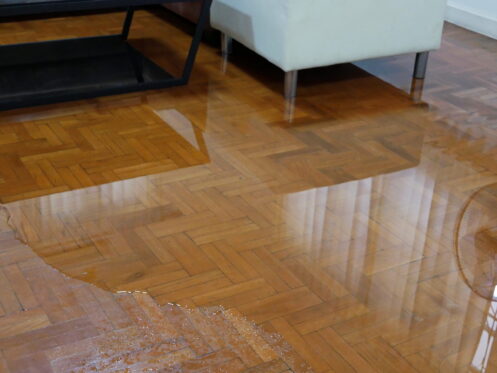
Spring brings much-needed rain, but it can also increase the risk of basement flooding, which is a major concern for homeowners. Heavy rainfall can overwhelm drainage systems and allow water to seep into areas that should stay dry. A flooded basement can lead to costly repairs and structural damage. The good news is that proactive plumbing maintenance can help prevent these problems altogether. By preparing your home ahead of heavy spring rains, you can protect your basement and avoid unexpected water damage.
Why Spring Rain Puts Your Basement at Risk
Spring storms often bring intense rainfall over short periods of time. When the ground becomes saturated, it can’t absorb additional water efficiently. As a result, water will begin to pool around your home’s foundation. At the same time, melting snow and rising groundwater levels can increase pressure against basement walls. This pressure, known as hydrostatic pressure, forces water to find any available path into your home.
If your plumbing and drainage systems cannot handle this excess water, your basement becomes vulnerable. Small issues that go unnoticed during dry months can quickly turn into major problems when heavy rain arrives. Understanding how spring conditions affect your home helps you take the right steps to prevent flooding.
Inspect Your Sump Pump Before the Rain Starts
A sump pump serves as your basement’s main line of defense against flooding. It collects excess water from around the foundation and pumps it away from the home. Before spring storms begin, test your sump pump to make sure it operates properly. Pour water into the sump pit and confirm that the pump activates and quickly removes the water.
Check the discharge line to make sure water flows away from your home. If the line becomes clogged or frozen, the pump can’t remove water effectively. Consider installing a battery backup system as well. Power outages tend to occur during storms, and a backup system will help ensure that your sump pump continues working when you need it most.
Clean and Maintain Floor Drains
Floor drains help remove excess water from basements and utility areas. Over time, these drains can clog with debris, dirt, or buildup that restricts water flow. Cleaning your floor drains before heavy rain helps ensure that water can drain quickly if needed. Remove any visible debris and flush the drain with water to confirm proper flow. If you notice slow drainage or standing water, it may indicate a deeper blockage within the drain line. Addressing these issues early will help you prevent water from backing up into your basement.
Check Downspouts and Exterior Drainage
While plumbing inside your home is important for flood prevention, exterior drainage systems are just as essential. Gutters and downspouts move rainwater away from your foundation. If downspouts clog or disconnect, water can pool near your home instead of draining away. This increases the risk of water seeping into the basement.
Make sure gutters are clear of leaves and debris. Extend downspouts so they discharge water several feet away from the foundation. Proper exterior drainage reduces the amount of water that reaches your basement walls and lowers the overall risk of flooding.
Inspect Sewer Lines for Blockages
Heavy rainfall can overwhelm municipal sewer systems. When this happens, water may back up into your home through floor drains or lower-level fixtures. Tree roots, grease buildup, and debris can also block sewer lines, making it harder for wastewater to flow away from your home.
Scheduling a sewer line inspection can help you find potential issues before they cause problems. Video inspections allow our technicians to see inside the pipes and locate blockages or damage. Addressing sewer line issues early helps prevent backups that can lead to basement flooding during heavy rain.
Test Your Backwater Valve
A backwater valve helps protect your home from sewer backups. This device allows wastewater to flow out of your home while keeping it from flowing back in. During heavy storms, increased pressure in the sewer system can force water back toward your home. A properly functioning backwater valve blocks this reverse flow. Check your valve to ensure it opens and closes properly. Maintaining your backwater valve provides an added layer of protection during heavy rainfall events.
Seal Cracks and Foundation Gaps
Water can enter your basement through small cracks in the foundation. These openings may go unnoticed during dry conditions. You should inspect your basement walls and floors for visible cracks. Pay attention to areas around windows, pipes, and utility openings. Sealing these gaps helps prevent water from entering your home. While you can seal small cracks with appropriate materials, larger structural issues will require professional repair.
Maintain Your Plumbing System
Your home’s internal plumbing system can also help prevent basement flooding. Leaks, clogs, or damaged pipes can contribute to water buildup during storms. Make sure to inspect visible pipes for signs of corrosion, leaks, or wear. Even small leaks can add moisture to your basement over time. Ensure that all fixtures and appliances connected to the basement plumbing operate correctly. Addressing minor issues early helps prevent larger problems during heavy rainfall.
Install a Backup Drainage System
Some homes benefit from additional drainage solutions, especially in areas prone to heavy rainfall. Interior drainage systems can collect water that enters the basement and direct it to the sump pump. These systems provide extra protection when exterior drainage alone cannot handle excess water.
While not every home requires a backup system, you may find it a valuable investment if you experience frequent moisture issues. Consulting with a professional can help determine whether additional drainage solutions would benefit your home.
Watch for Early Warning Signs
Basement flooding often gives warning signs before it occurs. Paying attention to these indicators can help you take action before water damage develops. Damp walls, musty odors, or visible mold can signal excess moisture in the basement. Water stains or discoloration may indicate previous water intrusion. You may also notice slow drains, gurgling sounds in pipes, or standing water near floor drains. These signs suggest that your drainage system may not be functioning properly.
Schedule a Professional Plumbing Inspection
Professional inspections provide a comprehensive evaluation of your home’s plumbing and drainage systems. Our team of plumbers can identify hidden issues that may not be visible during a basic inspection. We can test sump pumps, inspect sewer lines, evaluate drainage systems, and recommend improvements based on your home’s specific needs. Scheduling an inspection before the peak of spring storms ensures that your home is ready for heavy rainfall.
Protect Your Basement Before the Next Storm
Spring rainfall doesn’t have to lead to basement flooding. By taking proactive steps to maintain your plumbing and drainage systems, you can protect your home from water damage and costly repairs. At Liberty Comfort Systems, we provide top-rated plumbing services to the Anoka area and have been relied on by homeowners since 2004. We are a trusted part of the community, so contact us for all of your plumbing issues.
