Living in Minnesota means enjoying beautiful summers that may be followed by increased water use. And with that comes certain home maintenance challenges, such as hard water.
If you’ve seen chalky buildup on faucets or your dishes never seem clean, hard water is likely the culprit. Left untreated, it can harm your plumbing, appliances, and water quality.
Addressing high mineral content in water means protecting your home’s essential systems and improving your daily comfort. From your morning shower to running the dishwasher after dinner, the quality of your water is important.
What Is Hard Water?
Hard water has a high concentration of dissolved minerals, primarily calcium and magnesium. As groundwater moves through soil and rock, especially limestone, it picks up these minerals. Minnesota is rich in these types of rock, which is why so many homeowners in Anoka have hard water issues.
While these minerals are not harmful to your health, they can cause significant problems for your home’s plumbing and water-using appliances. The hardness of water is measured in grains per gallon (GPG). Water with more than 3.5 GPG is typically considered hard. Unfortunately, many areas in our region have levels much higher than that.
Why Hard Water Problems Often Get Worse in Summer
You might notice the effects of hard water more acutely during the warmer months. This isn’t because the water itself has changed, but because your household’s water consumption habits have. Higher demand puts more mineral-rich water through your pipes and appliances, accelerating its negative effects.
- Increased outdoor water usage for lawns and gardens
- Higher demand on plumbing from more frequent showers
- More frequent use of appliances like dishwashers
- Higher overall water consumption in summer
Common Signs of Hard Water in Your Home
Hard water leaves behind several telltale signs. If you’ve noticed any of the following issues, you likely have elevated mineral levels in your water supply.
- White, chalky buildup on fixtures
- Soap scum in sinks and showers
- Spots on dishes and glassware
- Dry skin and hair after washing
- Reduced water flow from faucets
How Hard Water Affects Plumbing Systems
The visible signs of hard water are just the beginning. Over time, the same minerals that spot your dishes can cause issues inside your plumbing system, where you can’t see them. This gradual buildup can lead to costly and inconvenient problems.
Limescale accumulates on the inner walls of your pipes, narrowing the passage for water to flow. This restriction reduces your home’s water pressure and puts extra strain on your entire plumbing system. Fixtures like faucets and valves can wear out faster, and the risk of stubborn clogs increases. If you’re experiencing persistent low pressure, it might be time for a professional evaluation of your household plumbing system.
The Impact of Hard Water on Water Heaters
Your water heater is one of the most expensive and hardworking appliances in your home, and it’s particularly vulnerable to hard water damage.
Reduced Heating Efficiency
Sediment at the bottom of the tank insulates the heating element from the water. This forces the water heater to work harder and run longer to reach the desired temperature, reducing its efficiency.
Increased Energy Costs
Because the water heater has to work overtime to heat the water, it consumes more energy. This inefficiency translates directly into higher monthly utility bills.
Shortened Equipment Lifespan
The constant extra strain and overheating that sediment buildup causes can damage the water heater’s components and weaken the tank itself. This stress significantly shortens the appliance’s expected lifespan, often leading to premature failure.
Appliances Most Affected by Hard Water
Nearly any appliance that uses water is at risk from mineral buildup. The intricate parts, small water lines, and heating elements in modern appliances are easy for limescale to clog or damage.
- Water heaters: reduced efficiency and lifespan
- Dishwashers: clogged spray arms and spotted dishes
- Washing machines: damaged pumps and dingy clothes
- Ice makers: clogged water supply lines
- Coffee makers: slowed performance from limescale
How to Fix Hard Water Problems
There are several effective strategies to combat mineral buildup and protect your home.
Install a Water Softener
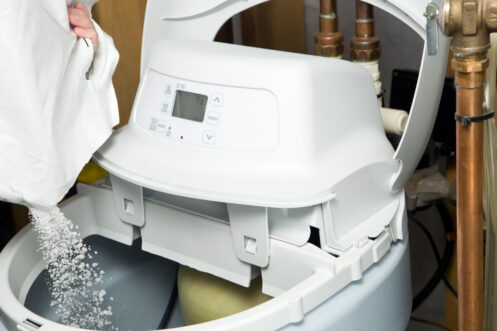
The most comprehensive solution is to install a whole-home water softener. These systems use ion exchange to remove calcium and magnesium from your water before it enters your pipes and appliances. By installing a water softener, you can protect your entire plumbing system and enjoy the benefits of soft water throughout your home.
Schedule Regular Water Heater Maintenance
A professional plumber can flush the tank annually to remove the accumulated sediment. This simple service helps restore efficiency, lower energy costs, and extend the life of your appliance.
Clean Mineral Deposits Promptly
You can manage existing buildup on fixtures by cleaning them regularly. Soaking showerheads and faucet aerators in a solution of white vinegar and water can dissolve the mineral deposits and restore proper water flow. This helps manage the symptoms while you consider a long-term solution.
Test Your Water Quality
If you suspect you have hard water but aren’t sure how severe the problem is, a professional water test can provide a definitive answer. Knowing your water’s exact hardness level helps you choose the most appropriate and effective water treatment solution for your home.
Is a Whole-Home Water Softener Worth It?
While installing a water softener is an investment, the long-term benefits often far outweigh the initial cost.
- Preventing scale buildup in plumbing
- Extending appliances’ lifespans and improving their efficiency
- Requiring less soap and detergent for cleaning
- Avoiding repairs and lowering energy bills
When to Call a Professional Plumber
While some hard water effects can be managed with cleaning, others require professional expertise. It’s time to call a licensed plumber if you notice persistent issues like low water pressure, hear rumbling noises from your water heater, or your appliances have frequent issues.
Protect Your Plumbing from Hard Water With Liberty Comfort Systems
Hard water is a common nuisance for Minnesota homeowners, but it doesn’t have to cause lasting damage to your home. Once you’re aware of the signs and take proactive steps, you can protect your investment. Liberty Comfort Systems has been helping homeowners since 2004 with reliable plumbing solutions tailored to our region’s specific water challenges.
If you’re tired of dealing with spots, buildup, and appliance issues, we can help. Contact Liberty Comfort Systems today for professional water testing, water softener installation, and other plumbing services in Anoka.
Frequently Asked Questions
Is hard water common in Minnesota?
How can I tell if I have hard water?
Can hard water lower my water pressure?
Does hard water damage water heaters?
Is a water softener the best solution for hard water?
How often should a water softener be serviced?
