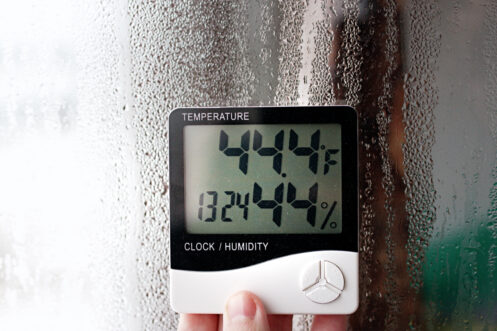
Here in Minnesota, summer conditions aren’t just about temperature. A 78-degree day can feel pleasant and dry, or sticky and miserable. The difference is humidity. When the air holds too much moisture, it feels warmer than it actually is, causing homeowners to rely more heavily on air conditioning.
High humidity forces your air conditioner to work harder. This strains your equipment, leading to higher energy bills, increased wear and tear, and a less comfortable home.
How Moisture in the Air Reduces AC Efficiency
Your air conditioner has two main jobs: lowering the temperature (sensible heat) and removing moisture (latent heat). On a dry day, your system can focus almost entirely on cooling. But during a humid Anoka summer, a large portion of its energy goes toward dehumidification, directly impacting its overall efficiency.
Increased Cooling Load From Humid Air
Humid air holds more heat energy than dry air, meaning your AC must remove more total heat to achieve the same temperature drop. Think of it like trying to dry a damp towel versus a soaking wet one. The wetter one requires far more energy and time. This increased thermal load means the system runs longer and uses more electricity to reach your thermostat setting.
Longer Run Times Without Better Comfort
Because the AC is working to both cool and dehumidify, its cooling cycles are extended. You might notice the system running for long stretches without the house feeling much cooler. Much of its effort is spent condensing water vapor on the evaporator coil rather than directly reducing the air temperature. The result is a system that works overtime but struggles to deliver the crisp, cool relief you expect.
Reduced Heat Transfer at the Coil
The core of the cooling process happens at the evaporator coil, where refrigerant absorbs heat from your indoor air. For this to happen efficiently, there needs to be effective thermal transfer. When the air is humid, a layer of water constantly forms on the coil. This moisture can slightly insulate the coil, slowing the heat exchange process and making the system less effective at cooling the air.
Common AC Issues Caused by High Humidity
Beyond simple inefficiency, prolonged operation in high humidity can lead to mechanical problems with your air conditioner. These issues can range from minor annoyances to serious damage if left unaddressed.
Frozen Evaporator Coils
While it seems counterintuitive on a hot day, your AC’s evaporator coil can freeze. High humidity creates more condensation on the coil. If airflow is restricted by a dirty filter, the coil temperature can drop below freezing. The condensed water then turns to ice, blocking airflow and preventing your system from cooling.
Poor Airflow From Dirty Components
Moisture is a key ingredient for mold and mildew growth. The dark, damp environment of an evaporator coil and drain pan is an ideal breeding ground. This organic growth can clog the coil’s fins, contaminate your air filter, and restrict airflow. Reduced airflow not only causes freezing but also forces the blower motor to work harder, increasing energy use and strain on the motor.
Inconsistent Indoor Temperatures
Your air conditioner may run for long periods but fail to cool distant rooms, leading to uncomfortable hot and cold spots. You might find that the area around your thermostat feels fine, but bedrooms or upper floors remain warm and stuffy.
Why High Humidity Makes AC Maintenance Even More Crucial
Regular maintenance is always important, but it becomes critical during humid Minnesota summers. A professional tune-up ensures that your air filter is clean, the evaporator coil is free of grime, and the condensate drain line is clear. As the leading AC company in Anoka, we see firsthand how preventative service can stop humidity-related problems before they cause a system breakdown on the hottest day of the year.
How Dehumidifiers Improve Comfort and System Performance
If your AC is constantly fighting a losing battle against humidity, the most effective solution is to tackle the moisture problem directly. A whole-home dehumidifier integrates with your existing HVAC system to manage indoor humidity levels independently, offering significant benefits for both comfort and equipment longevity.
Lower Indoor Moisture Levels
A whole-home dehumidifier gives you precise control over your home’s relative humidity, typically aiming for an ideal range of 35%-50%. By removing excess moisture from the air before it circulates, the dehumidifier creates a less sticky, more balanced environment. This often allows you to set your thermostat a few degrees higher while feeling just as cool.
Reduced Strain on Your AC System
When a dehumidifier handles moisture removal, your air conditioner can focus on its primary task: cooling. This division of labor allows the AC to run shorter, more efficient cycles. It no longer has to expend energy on latent heat removal, which reduces overall energy consumption and lessens wear on critical components like the compressor.
More Consistent Cooling Throughout the Home
Drier air feels cooler and circulates more easily. With humidity under control, your AC can distribute cooled air more effectively, eliminating those frustrating hot spots. The result is more consistent temperatures throughout the home and a more balanced indoor environment all summer long. Installing dehumidifiers can be a game-changer for your home’s comfort.
What Homeowners Can Do to Manage Humidity and Efficiency
While a whole-home dehumidifier is a powerful tool, you can take several practical steps to help manage indoor humidity and improve your AC’s performance.
Consider these strategies to help your cooling system run more efficiently:
- Use exhaust fans when cooking or showering
- Seal air leaks around windows and doors
- Verify your clothes dryer vents outdoors
- Avoid air-drying laundry indoors on humid days
- Change your air filter regularly
- Keep the outdoor AC unit clear of debris
- Schedule an annual professional AC tune-up
Stay Comfortable Even on Humid Minnesota Days
Fighting Minnesota’s summer humidity doesn’t have to mean sky-high energy bills and an overworked air conditioner. From simple habits like using exhaust fans to solutions like a whole-home dehumidifier, you can create a cooler, drier, and more enjoyable home.
At Liberty Comfort Systems, we help homeowners improve cooling performance throughout the summer. For expert AC services and humidity control solutions in Anoka, MN, contact our team today.
FAQs
Does humidity make my AC work harder in Minnesota? ▼
Will a dehumidifier reduce my energy bills? ▼
How do I know if humidity is affecting my cooling system? ▼
