February in Minnesota can be rough on a home’s electrical system. Cold snaps, heavier heater use, and short winter days can push circuits harder than usual. If your electrical panel has weak spots, winter is often when they appear.
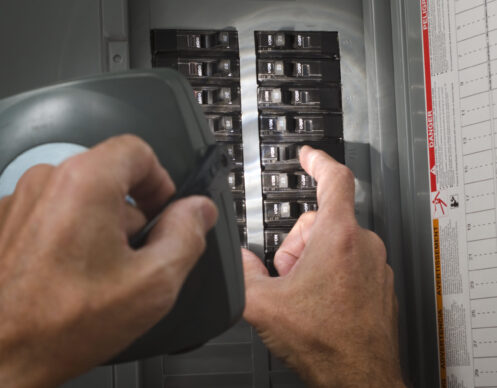
Your electrical panel controls how power moves through your home. It routes power through the house and then steps in when a circuit starts to overload. An outdated, overloaded, or damaged panel often shows warning signs before serious issues develop.
This is a good time to pay attention to how your home’s power behaves. Small changes can signal a bigger issue, especially during heavy winter use. If anything seems off, a licensed professional should inspect the system.
Why Winter Can Reveal Electrical Panel Problems
Cold snaps often increase power demand inside the home. Many homes add extra heat through plug-in devices. Space heaters, electric fireplaces, and heated blankets all draw more power than most people expect. Lamps and overhead lights also stay on longer as days get shorter. If a home already runs near capacity, the added load can strain circuits. That strain can lead to breaker trips or overheating.
Winter weather in Minnesota can stress the system in other ways. Storms and utility switching can cause brief voltage dips or spikes, even when the power stays on. Cold temperatures add another layer of stress. In older systems, insulation can stiffen, and connections can loosen with age. When higher demand meets aging parts, weak points show up faster.
Simple Signs Your Electrical Panel May Need Attention
You don’t have to open your electrical panel to notice trouble. Most warning signs show up during everyday use. Focus on patterns with lights, outlets, and breaker trips.
Simple signs often show up in the same places again and again:
- Breaker trips happening more than usual
- Lights that flicker, dim, or pulse when appliances start
- Warm outlets, discoloration, or outlets that cut out
- Burning smell near the panel area or nearby walls
- Buzzing or crackling sounds near the panel
Breakers Trip More Often in Winter
Breakers trip for a reason. They shut off power when a circuit pulls more than it can handle. A random trip once in a while can happen, especially when you plug in something that uses a lot of power. The concern starts when it becomes a pattern. The same breaker trips often or trips during normal routines.
Winter can make this worse because more devices run indoors at the same time. Space heaters, hair dryers, air fryers, and kitchen appliances all use a lot of power. Running several at once can strain a single circuit. If trips only happen when demand is high, the circuit may already be close to its limit. If trips keep happening when little is running, that points to a different problem. Common causes include a weak breaker, a loose connection, or aging wiring.
Burning Smells Around the Electrical Panel
A burning odor near the panel is not normal. It often points to heat buildup inside the system. That heat can damage wiring, insulation, or internal parts. In some cases, the smell shows up before you see any visible signs.
If you notice a burning smell, treat it as urgent and focus on safety. Don’t stand near the panel and “wait to see” if it stops. If it’s safe to do so, reduce the electrical load in the area by turning off and unplugging nearby high-power devices.
Keep the space around the panel open year-round. Boxes, bins, and stored items can trap heat and hide early warning signs. Clear access also makes it easier to respond quickly if a problem escalates.
Warm Electrical Panels and Buzzing Sounds
An electrical panel should run quietly. Buzzing, sizzling, or crackling often points to a connection problem inside the panel. Arcing or failing parts can build heat fast, even when everything in the house still seems to work.
Noise and warmth together are a warning sign, not background sound. Some warmth can happen during normal use, but the panel should not feel hot. If the sound is steady, happens repeatedly, or shows up along with other issues, treat it as a sign that something is not right.
Watch for these related signs:
- Buzzing or crackling that lasts longer than a few seconds
- Warm wall area near the panel
- Flickering lights that happen at the same time
- Breaker trips in the same time window
This isn’t a spot to troubleshoot or tighten anything yourself. The goal is to notice the pattern and take it seriously before it turns into a bigger electrical failure.
Rust, Moisture, or Water Stains Around the Panel
Winter in Minnesota can leave basements, utility rooms, and garages feeling damp. That dampness matters around electrical equipment. If moisture hangs in the air or reaches the panel, rust can start and connections can weaken. Rust spots, water marks, or any damp area near the panel should stand out.
Ice dams, small roof leaks, and heavy condensation can all show up during a hard winter. If you have dealt with any of that, look around the panel area, not inside it. Check the wall, the floor, and the surrounding surfaces for staining or dampness. Moisture in that area requires attention.
How Surge Protection Fits into Winter Electrical Safety
Most homeowners start with plug-in surge strips. They protect devices connected to a single outlet, not the entire house. Whole-home surge protection works at the electrical panel. It helps limit voltage spikes before they move through the rest of the system.
Winter weather in Minnesota can make power less steady. Storms, ice, and utility switching can cause quick voltage changes that often go unnoticed. Even small spikes can wear on electronics and appliance control boards. Whole-home surge protection will not stop an outage, but it can reduce damage from sudden spikes. Panel-based surge protection works at the source. This matters most in homes with newer appliances and connected devices.
When an Electrical Panel Inspection Makes Sense
An inspection makes sense when electrical use changes in the home. Adding appliances, installing new circuits, or completing renovations can strain the panel and affect how circuits share load. An inspection also sets a clear baseline before small issues grow into larger ones.
An inspection reviews panel condition and safety. It checks breakers, connections, and signs of heat damage. It also verifies that panel capacity matches current electrical demand. Large upgrades can change electrical load quickly. Hot tubs, EV chargers, and a finished basement spread demand across multiple circuits. An electrical panel inspection in your Anoka, MN, home helps confirm the panel can support those additions.
Winter-Safe Habits That Help Without DIY Electrical Work
Leave electrical work at the panel to licensed professionals. You can still lower strain on your system with simple daily choices. These habits focus on usage, not repairs.
Small changes can reduce overload risk during peak winter use:
- Spreading high-power devices across different outlets when possible
- Not running space heaters and kitchen appliances at the same time
- Using surge-protected strips for sensitive electronics
- Bringing devices back online gradually after an outage
Protect Your Home Before a Small Issue Becomes a Winter Emergency
Liberty Comfort Systems helps homeowners address electrical concerns before they escalate. Our team can walk you through our findings and discuss next steps. Contact Liberty Comfort Systems today to schedule service and keep your electrical system ready for the rest of winter.
