There’s nothing worse than your air conditioner failing during the peak of an Anoka, MN summer heat wave. When you need it most, the system sputters and quits, leaving your home hot and sticky. These mid-summer breakdowns are common because extreme heat pushes AC systems to their limits, exposing underlying weaknesses.
Knowing why your air conditioner breaks down is the first step toward prevention. Proactive care can help you avoid the stress and expense of an emergency repair. Preventive AC maintenance helps your system handle summer’s demands to keep your family cool and comfortable.
What Do Heat Waves Do to Air Conditioners?
An air conditioner that works fine in mild weather can suddenly fail when temperatures soar. Heat waves force your HVAC system to work harder and longer than usual. This constant demand puts a significant strain on every component.
- Continuous operation with little rest
- Greater effort to remove heat
- Accelerated wear on critical system components
- Inability to remove as much humidity
- More energy use for less cooling
The Most Common Reasons AC Systems Fail During Heat Waves
While extreme heat is the trigger, AC failures are usually caused by mechanical or maintenance issues that the added strain makes worse. Here are the most frequent culprits our technicians see.
Dirty Air Filters
A clogged air filter is one of the most common and preventable causes of an AC breakdown. When the filter is full of dust and debris, it restricts airflow to the indoor unit. This forces the system’s fan motor to work overtime to pull air through, which can lead to overheating and failure. The lack of airflow can also cause the evaporator coils to freeze over, interfering with the cooling process.
Refrigerant Problems
Refrigerant is the lifeblood of your air conditioner, absorbing heat from inside your home and releasing it outside. If the refrigerant level is low, it’s almost always due to a leak. A system with low refrigerant can’t cool effectively and will run constantly trying to reach the target temperature. This can lead to serious issues, including frozen evaporator coils and damage to the compressor, which is one of the most expensive parts to replace.
Electrical Component Failures
Your air conditioner relies on several electrical components to start up and run safely. The most common points of failure during a heat wave are capacitors, contactors, and wiring. A capacitor provides the jolt of energy needed to start the compressor and fan motors, while a contactor is a switch that controls the flow of electricity. The intense heat and constant operation can cause these parts to degrade and fail, leaving your system unable to turn on.
Dirty Condenser Coils
The outdoor condenser unit releases the heat from your home. Its coils have fins that help dissipate it into the surrounding air. If these coils cake with dirt, grass clippings, or other debris, they can’t transfer heat effectively. The AC has to work much harder to cool your home during extreme temperatures, leading to higher operating temperatures, increased energy consumption, and potential compressor failure.
Aging HVAC Equipment
After 10-15 years, air conditioners’ components naturally wear down. Efficiency declines, and the appliance becomes more vulnerable to breakdowns, especially during periods of high demand. An older system that has been struggling may finally give out when pushed to its limits by extreme summer temperatures.
Warning Signs Your AC May Be Headed for a Breakdown
Your air conditioner will often show signs of struggling before it fails completely. Paying attention to these warning signs can help you address a problem before it becomes an emergency.
- Weaker than usual airflow
- Warm air from vents
- Short cycling
- Grinding, squealing, or banging noises
- Sudden spike in your utility bill
- Hot or cold spots in rooms
How to Prevent an AC Breakdown During an Anoka Heat Wave
The best way to avoid a midsummer AC failure is through proactive care and regular maintenance. Simple steps can improve your system’s reliability and performance.
- Replace air filters every one to three months.
- Schedule annual AC maintenance.
- Give the outdoor unit at least 2 feet of clearance.
- Monitor the thermostat’s performance.
- Address small repairs promptly.
Why Preventive Maintenance Matters
Routine inspections are your best defense against unexpected AC failures. During an annual tune-up, a NATE-certified technician from Liberty Comfort Systems will clean your system, inspect electrical components, check refrigerant levels, and identify worn parts before they fail. This professional service improves efficiency and lowers energy bills while significantly reducing the risk of a breakdown during peak use.
What to Do if Your AC Stops Working During a Heat Wave
If your AC stops working, there are things you can check before calling for help.
- Confirm a “cool” thermostat setting and temperature.
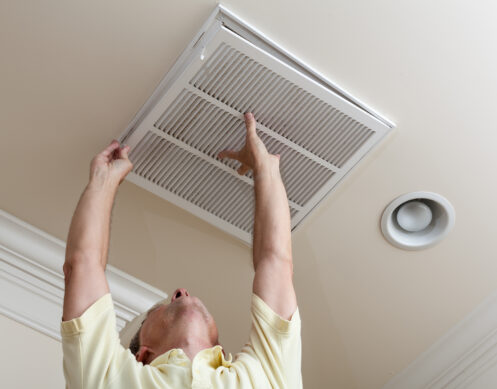
- Check the air filter for blockage.
- Check for a tripped breaker.
- Turn off a frozen system; let a fan thaw it.
- Call for expert help if you need it.
When It’s Time to Consider AC Replacement
Sometimes, an AC repair isn’t the most cost-effective solution, especially for an older, inefficient system. If your air conditioner is constantly breaking down or struggling to keep your home cool, it may be time to replace it.
- Frequent repair costs are adding up.
- The appliance is 10-15 years old or older.
- Efficiency is declining as energy bills rise.
- The system runs constantly but doesn’t cool well enough.
Schedule AC Maintenance with Liberty Comfort Systems
Don’t wait for a heat wave to discover your air conditioner can’t handle the pressure. Being proactive is the best way to stay cool and comfortable all summer. Our team of NATE-certified technicians can help keep your system running reliably..
To avoid an unexpected breakdown, schedule HVAC services in Anoka, MN with Liberty Comfort Systems.
Frequently Asked Questions
Why do air conditioners often fail during heat waves?
How can I prevent my AC from breaking down in the summer?
What are the signs my AC is struggling?
Can a dirty air filter cause an AC breakdown?
How often should I have my AC serviced?
Should I repair or replace an older air conditioner?
