
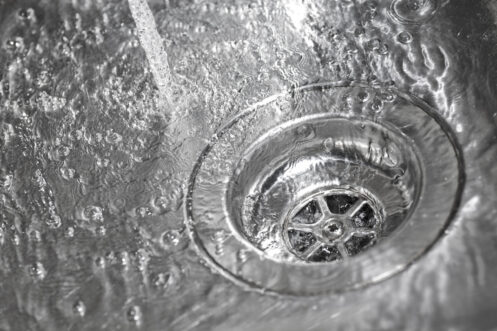
When we’re inside homes around Anoka, MN, during winter, we notice plumbing gets tested in ways it does not during the rest of the year. Extra cooking, more people using sinks, and freezing nights all add stress to your drains. We often smell grease lingering near kitchen sinks or hear slow, gurgling sounds from tubs that used to drain quietly. Those sounds and smells tell us that buildup is already forming inside the pipes.
At Liberty Comfort Systems, our plumbers in Anoka have the experience dealing with the area’s cold season. We see how small changes in household routines during the holidays quietly affect plumbing performance. Many drain clogs start weeks before anyone notices a problem. Our goal is to help you understand what we look for on the job, so issues stay manageable instead of disruptive.
Prevent Grease From Going Down Drains
Grease causes more winter drain clogs than almost anything else we see. Cold pipes make grease harden faster once it enters the plumbing. When we open kitchen lines, we often find thick, waxy buildup clinging to the inside walls of the pipes.
Grease rarely stays near the sink. It slides along the pipe until the temperature drops enough for it to stick. Each use adds another layer. Eventually, water slows, and food particles begin to collect behind that greasy coating.
During service calls, grease clogs usually announce themselves with lingering odors and sluggish drainage. Water may swirl longer before disappearing. These signs tell us the pipe diameter is already shrinking from buildup.
Using Sink Strainers
Sink strainers make a noticeable difference when we remove drain covers. Homes that use them typically have cleaner traps and less debris packed into the piping. We often see fewer food remnants stuck just past the sink opening.
Many houses in the area still have older plumbing systems with tighter bends. Those bends catch debris easily. When scraps slip through without a strainer, they settle in those turns and start collecting grease.
When strainers are missing, we usually find soggy food compacted together. That compacted debris restricts water flow and speeds up the clogging process during heavy kitchen use.
Educate Your Guests
Holiday guests bring extra activity to kitchens and bathrooms. As plumbers, we notice that drain clogs often appear after busy weekends. Visitors do not always know how sensitive certain drains can be.
House guest-related clogs often show up in shared bathrooms and kitchen sinks. Extra paper, food scraps, and unfamiliar disposal use usually contribute. These clogs develop quickly under higher demand.
When plumbing use stays consistent across the household, drains handle the load better. Fewer surprises in habits help keep water moving smoothly through the system.
Use Your Garbage Disposal Properly
Garbage disposals help break down small scraps, but they still have limits we see pushed during the holidays. Fibrous foods twist around internal parts. Starchy foods absorb water and expand inside the drain line.
During winter service calls, we often remove thick, paste-like buildup from disposal drains. That buildup usually stems from heavy meal prep. Once mixed with grease, it creates a dense blockage.
Cold water keeps fats solid enough for the disposal to grind them. When warm water carries grease farther down the line, it hardens, making access more difficult.
Insulating Your Pipes
Cold air around pipes plays a big role in winter drain clogs. We feel the temperature shift immediately upon entering basements and crawl spaces. Pipes near exterior walls stay noticeably colder.
Cold pipe surfaces cause grease to harden faster. Moisture can also collect inside poorly insulated sections. That moisture mixes with debris, forming a thick residue along the pipe walls.
During inspections, exposed pipes without insulation often line up with frequent clog locations. Those colder sections slow flow and encourage buildup during winter use.
Keeping Your House Warm
Indoor temperature directly affects plumbing behavior. When homes cool down, pipes lose heat quickly. We see this often after extended winter travel.
Frozen sections do not always burst immediately. Sometimes they restrict the flow first. If grease or debris is already present, that restriction becomes a full blockage.
We also notice problems where cabinets stay closed around plumbing. Without warm air circulation, pipes remain colder and more vulnerable to buildup.
Routine Plumbing Maintenance
Routine plumbing maintenance allows us to spot developing issues before winter drain clogs take hold. When we clean drains early, the buildup has not yet hardened completely.
Our plumbers often perform inspections before holiday gatherings begin. Clear pipes manage heavier use better and drain more consistently.
Chemical cleaners frequently damage pipe interiors and leave residue behind. We often see softened pipe surfaces and lingering chemical odors after their use. Professional cleaning removes buildup without harming materials.
What Can a Homeowner Do?
When we’re called out for winter drain clogs, the cause is usually something that built up quietly. One of the best things you can do is pay attention to how your drains behave before cold weather settles in. If water already drains slowly, winter will make it worse. We also recommend having drains professionally cleaned before heavy holiday use starts. That clears grease, soap, and debris before cold pipes harden everything in place. Keep an eye on odors, too. A sour or musty smell often means organic material is sitting inside the line.
You can usually tell if pipes lack insulation by touch and sight. When we’re in basements or crawlspaces, uninsulated pipes feel very cold and often sweat when water runs through them. Condensation on pipes during winter is a strong clue. Pipes near exterior walls or rim joists are the most common trouble spots. If those areas feel drafty, the pipes likely need better protection.
Garbage disposals need careful use during winter. Run cold water before, during, and after use. Feed small amounts at a time, not large loads. Avoid fibrous foods, starchy leftovers, grease, bones, and coffee grounds. When disposals struggle, clogs usually follow soon after.
Reach Out for Assistance
Winter drain clogs rarely begin as emergencies. They build quietly during busy weeks and colder nights. We see this pattern every winter in Anoka, MN. Our plumbers know the local area and offer plumbing services that will help restore your drain system. When something feels off with your drains, early attention helps keep issues contained.
At Liberty Comfort Systems, we handle drain cleaning for homes throughout the area, especially before winter buildup turns into a blockage. We check the full line, clear what’s sticking, and make sure water moves the way it should. If something sounds off or smells wrong, give us a call and let us take a look before it becomes a bigger interruption.
