Minnesota usually experiences several months of freezing weather, snow and ice. You may find yourself running the furnace around the clock to keep the family warm. But as it starts to warm up during the yearly thaw, temperatures can become quite unpredictable. You may need to switch back and forth between the furnace and the AC to stay comfortable. Taking proactive steps will ensure your HVAC system is ready for changing spring conditions.
When Does the Yearly Thaw Occur Each Year in Minnesota?
The state’s yearly thaw typically takes place between March and April. Each year’s snowfall totals and temperature patterns impact how long each thaw lasts. If you live in a southern part of the state, it generally warms up earlier in the year. Northern parts sometimes see snow and ice lasting through late April or even into early May. It’s during this period of time that the weather fluctuates quickly, often day to day. Without proper preparation, your HVAC system may struggle to keep up with the rapidly changing temperatures.
What to Expect From Your HVAC System During Early Spring
Early spring is one of the biggest transitional periods for your HVAC system. You’re switching from a furnace that’s been running all winter to an AC that hasn’t been used in months. Achieving total comfort during the transition may involve running both systems on some days.
Frequent Heating and Cooling Mode Changes
During the thaw, it can be very cold in the mornings and much warmer in the afternoons. If you’re constantly switching back and forth from the furnace to the AC, this puts extra wear on the equipment. The increased strain can be especially problematic for the motor and electrical components. If you notice uneven heating or strange noises, go ahead and schedule professional heater repair services before the thaw fully sets in.
Rapid Temperature Swings Cause Higher Energy Costs
Temperature swings of 20 to 30 degrees are quite common during the thaw period. You might notice the HVAC system running more than normal as these sharp changes in weather take place. Heating and cooling cycles may be longer, which can lead to higher energy bills. A seasonal tune-up helps your system operate more efficiently during these swings.
Higher Indoor Humidity From Snowmelt
All of the snow and ice melting outside can increase humidity inside your home, especially if you leave windows or doors open. That extra humidity causes your living spaces to feel warmer than they really are. You may also notice them feeling clammy and damp. Your AC will help remove some of the excess moisture in the home, making it feel more comfortable. The furnace doesn’t achieve this same effect because it only heats the air rather than removing moisture from it. You may need a whole-home dehumidifier to keep moisture levels under control.
Dirty Filters After Heavy Winter Use
Since the furnace has been running for months, there’s a good chance it has a dirty filter. Cleaning or replacing it will help the heater run more efficiently on those cold nights and mornings during the thaw. If you didn’t replace the AC’s filter last fall when you shut the system down, make sure to replace it as well. This ensures the cooling system is ready to operate with optimal airflow.
Most HVAC system filters need replacement once every 30 to 60 days year-round. Additional benefits of keeping a clean filter include:
- Improved indoor air quality
- Reduced system wear
- Lower monthly utility costs
- Fewer unexpected repairs
- Longer equipment lifespan
- More balanced indoor temperatures
First AC Startup Odors
You might notice a musty or dusty odor when you turn on the AC for the first time each spring. These smells are usually the result of dust buildup or minor moisture accumulation. They should go away within a few hours. If they persist, this is a clear sign to call us for service. There could be an issue with mold growth or a clogged condensate drain that needs professional repair service.
Condensate Drain Line Reactivation Issues
Your AC has a condensate drain line on it. This line allows condensation that accumulates during the cooling process to flow out properly. But after sitting unused all winter, it may have a full or partial blockage from dirt or algae growth. When this happens, it prevents the AC from running efficiently. It can also lead to water pooling if it flows out of the drain pan instead of through the line.
If the clog is minor, you can use these DIY tips to clear the drain line safely:
- Turn off system power
- Find the drain line
- Gently remove the cap
- Pour vinegar into the line
- Let the vinegar set for 30-60 minutes
- Vacuum out loosened debris
- Turn the AC back on
- Confirm the water drains properly
If the clog is severe, we can remove it for you using professional-grade cleaning solutions. A clear line will help ensure the AC runs with peak performance from day one each spring when you turn it on.
Uneven Room Temperatures During Thaw
The ductwork connected to your HVAC system is also vulnerable to damage during the spring thaw. As temperatures shift back and forth from cold to warm, the duct materials may contract and expand. Some parts may even become misaligned or loose. If this happens, it disrupts the HVAC system’s airflow. Some rooms may feel warmer or cooler than others, and the HVAC system will work harder to keep you comfortable. Dust and moisture can seep into the ductwork, hurting the home’s indoor air quality. Getting the ductwork fixed is crucial to making sure your HVAC system evenly heats and cools your home.
Outdoor Unit Debris From Winter
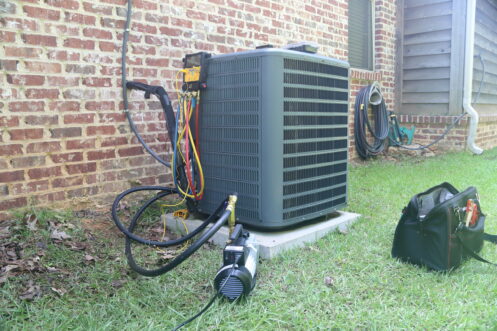
Ice and snow storms often leave behind broken limbs, twigs, leaves and other elements. When this debris builds up on the HVAC system’s outdoor condenser, it can interfere with airflow. Taking time to clear the debris each spring thaw is an excellent way to improve the AC’s overall performance.
Thermostat Recalibration After the Cold Season
Your thermostat spends months in heating mode right before the spring thaw occurs. It may need calibration for cooling once you start using the AC. You may also need to update any programmed scheduling to accommodate the warmer temperatures. Adding a smart thermostat with learning capabilities is a great move. Instead of manually adjusting settings, the thermostat automatically adjusts itself according to real-time temperature changes.
Ready to Prep Your HVAC for Spring?
At Liberty Comfort Systems, we offer maintenance solutions for heaters and ACs. We’ll clean your system to ensure it runs optimally throughout each season. Booking an appointment during early spring is key to avoiding emergency breakdowns during warmer weather.
Contact Liberty Comfort Systems today to schedule HVAC maintenance service to beat the spring thaw in Anoka, MN.
