Minnesota winters put extra strain on your home’s heating and electrical systems. As temperatures fall, these systems work harder, increasing the risk of carbon monoxide exposure and electrical hazards.
A few proactive steps can help keep your home safe before winter demand peaks. Schedule furnace maintenance, test carbon monoxide detectors, and consider an electrical inspection. At Liberty Comfort Systems, we provide heating and electrical services throughout Anoka and nearby Minnesota communities to help homeowners prepare for the cold season.
Why Winter Increases Carbon Monoxide and Electrical Risks
During a typical Minnesota winter, equipment like furnaces, boilers, fireplaces, and space heaters run for extended periods. We also rely more on indoor lighting and other electrical devices. This heavier use can expose underlying problems in your heating and electrical systems that might have gone unnoticed during warmer months.
Longer heating cycles and increased electrical demand can strain aging components, leading to potential failures or safety issues. Severe winter weather, including heavy snow, ice, and storms, can also cause power outages. Sudden power restoration after an outage can create voltage surges that risk damaging wiring, appliances, and sensitive electronics.
Understand Where Carbon Monoxide Comes From
Carbon monoxide (CO) is a dangerous gas produced when fuels like natural gas, propane, oil, gasoline, or wood do not burn completely. Because many homes in our area rely on fuel-burning appliances for heat, understanding the sources of CO is a crucial part of winter home safety in Minnesota.
Common household sources include furnaces, boilers, gas water heaters, fireplaces, and other fuel-burning appliances. The greatest danger of carbon monoxide is that it is colorless and odorless, so you can’t detect it without a working alarm. This is why having reliable CO detectors is essential for every home.
Test Carbon Monoxide Detectors Before Heating Season
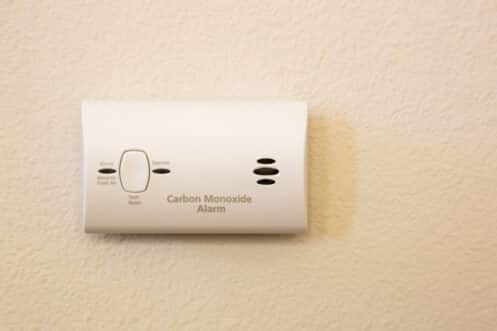
Before you begin using your heating system regularly, take the time to test every carbon monoxide alarm in your home. Press the test button on each unit to ensure the alarm sounds. If your detectors are battery-powered, this is the perfect time to install fresh batteries for the season.
You should also check the manufacturer’s recommendations for detector replacement, as the sensors inside these devices have a limited lifespan, typically between five and ten years. Remember that CO alarms are a critical line of defense. Therefore, they should never replace routine maintenance of your fuel-burning equipment.
Schedule Furnace Maintenance Before Heavy Winter Use
One of the most effective ways to ensure furnace safety is to schedule professional heating maintenance before the cold weather sets in. An annual tune-up lets a qualified technician identify potential issues with combustion, venting, burners, and other critical components before your system runs continuously.
During a maintenance visit, the inspection of safety controls and the venting system is especially important for any fuel-burning equipment. This check helps ensure combustion gases vent properly and safety mechanisms function correctly. At Liberty Comfort Systems, we recommend that all homeowners keep their heating systems well-maintained to prepare for the demands of a Minnesota winter.
Keep Furnace and Appliance Vents Clear
Proper venting is essential for the safe operation of any fuel-burning appliance. Your furnace, water heater, and fireplace all depend on clear vents and flues to move combustion gases safely out of your home. Any blockage can cause these gases, including carbon monoxide, to build up indoors.
Make it a habit to check your home’s exterior vents, especially after heavy snowstorms, to ensure they are not blocked by snow or ice. Inside, keep stored items, furniture, and other materials away from your furnace and water heater to allow for proper airflow. Never attempt to alter or block your home’s venting systems.
Never Use Outdoor Fuel-Burning Equipment Indoors
During a winter power outage, it can be tempting to find alternative ways to generate heat or power. However, never operate outdoor combustion equipment inside your home, garage, basement, or any other enclosed area. This includes portable generators, charcoal grills, and camping stoves.
These devices produce large amounts of carbon monoxide and can quickly create a life-threatening situation in an enclosed space. If you use a generator, always place it outdoors and far away from doors, windows, and any vents where exhaust could enter your home.
Know the Warning Signs of an Electrical Problem
The increased electrical demand of winter can often make existing electrical problems more noticeable. Pay close attention to how your home’s electrical system functions as you use more lights, appliances, and heating equipment.
- Circuit breakers that trip frequently
- Lights that flicker or dim, especially when an appliance turns on
- A distinct burning odor near outlets or the electrical panel
- Buzzing sounds from outlets, switches, or the breaker box
- Scorch marks or discoloration on outlets or switch plates
- Sparking from an outlet when you plug something into it
If you notice any of these warning signs, it may be time for professional electrical repairs to address the underlying hazard.
Avoid Overloading Outlets and Extension Cords
Items like space heaters, holiday decorations, and portable kitchen appliances can significantly increase the electrical load on your home’s circuits. Overloading an outlet or circuit by plugging in too many high-draw devices can lead to overheating and create a fire risk.
Avoid plugging multiple high-power devices into a single outlet or power strip. Remember that extension cords are for temporary use only and should not be used as permanent wiring. If a circuit breaker trips frequently, the circuit may be overloaded or have another electrical problem.
Use Space Heaters Carefully
Portable electric heaters are a popular way to add supplemental warmth, but they place a significant demand on household circuits. When using a space heater, always follow the manufacturer’s instructions for safe operation.
Keep the heater on a flat, stable surface and at least three feet away from any combustible materials, such as curtains, furniture, or bedding. Whenever possible, plug the heater directly into a suitable wall outlet. If you notice an outlet becoming warm to the touch, your lights flicker, or a breaker trips while the heater is running, stop using it immediately and have the circuit inspected.
Make Sure Your Electrical Panel Is Ready for Winter Demand
Your electrical panel, or breaker box, is the center of your home’s electrical system. It distributes power to all the circuits and contains the breakers that protect against overloads. To safely handle increased winter loads, your panel needs to be in good working condition.
Warning signs like buzzing or crackling sounds at the panel, persistent breaker trips, or widespread flickering lights can indicate the need for a professional evaluation. Liberty Comfort Systems offers a dedicated electrical panel inspection to ensure your system can safely meet your home’s winter power needs.
Consider a Whole-Home Electrical Inspection
For total peace of mind, a whole-home electrical inspection can identify hidden hazards like outdated wiring, damaged connections, panel problems, and unsafe outlets before winter arrives. This is especially useful for older homes, properties with unpermitted renovations, or any house with recurring electrical issues.
During an electrical inspection, a qualified electrician methodically checks wiring, panels, circuit breakers, outlets, and switches for safety concerns and potential code issues. This proactive approach helps protect your home and family from preventable risks.
Protect Electronics From Winter Power Surges
Winter storms often cause power outages. When the power is restored, it can create a voltage surge that travels through your home’s wiring. This can potentially damage or destroy expensive appliances, HVAC equipment, computers, and other sensitive electronics.
Whole-home surge protection is one of the best ways to reduce this risk. These devices are installed at your electrical panel to stop surges before they reach your valuable equipment. Liberty Comfort Systems offers electrical upgrades that include surge protection systems, adding an extra layer of defense for your entire home.
Know When to Call for Professional Help
When it comes to home safety, it’s always best to err on the side of caution. Contact a professional if your heating equipment starts making unusual noises or your carbon monoxide alarm activates. Other signs include electrical components showing signs of overheating or a circuit breaker that repeatedly trips and cannot be easily reset.
Troubleshooting gas combustion problems and performing electrical repairs are not appropriate DIY projects. For your safety, rely on a trained, licensed professional for any heating or electrical work, as improper repairs can create even greater hazards.
Make Home Safety Part of Your Winter Preparation
As Minnesota homeowners, we know that preparing for winter is essential. This season, make carbon monoxide and electrical safety a top priority. Test your CO alarms, schedule professional heating maintenance, avoid overloading electrical circuits, and watch for warning signs from your systems.
If your home has aging wiring, recurring breaker problems, flickering lights, or other concerns, a professional inspection can provide clarity and peace of mind. For homeowners in Anoka and the surrounding Minnesota areas, our team is here to help with all your winter preparation needs. Feel free to contact us to schedule service.
For professional furnace maintenance and electrical services in Anoka, trust the experts at Liberty Comfort Systems to get your home ready for winter.
